


What Is Regenerative Agriculture?
Regenerative agriculture, is “the process of restoring degraded soils using practices based on ecological principles.” It requires managing a farm or a ranch by considering the interactions among the soil, water, plants, animals and humans — interconnected pieces of one whole system.
Regenerative organic agriculture focuses on restoring soil health, increasing biodiversity, and reducing reliance on synthetic inputs, which can benefit crops like groundnut (peanuts).
Regenerative agriculture is an adaptive management approach that is supported by soil health principles.

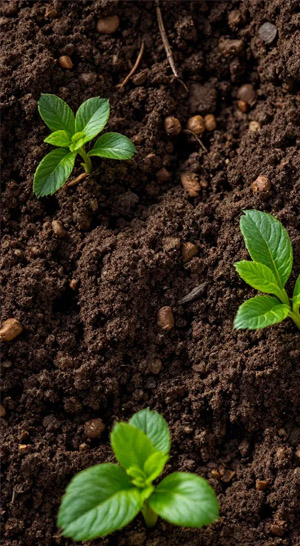

The benefits of regenerative farming include:
Increased soil organic matter and biodiversity.
Healthier and more productive soil that is drought- and flood-resilient.
Decreased use of chemical inputs and subsequent pollution.
Cleaner air and water.
Enhanced wildlife habitat.
Carbon captured in the soil to combat climate variability.
With regenerative agriculture, producers are not just sustaining the current land resource so that it can continue to be used in the future. They are actually improving what is there, leaving it better for the next generation.

Insights
Regenerative Organic Agriculture Basics
This approach goes beyond organic farming by aiming to regenerate ecosystems, often involving practices like cover cropping, crop rotation, and minimal tillage. These methods can enhance soil structure, which is crucial for groundnut growth.
Groundnut’s Role
As a legume, groundnut contributes to soil health by fixing nitrogen, reducing the need for synthetic fertilizers, and improving soil organic matter, aligning with regenerative goals.
Practical Applications
Sustainable groundnut farming practices, such as organic amendments and crop rotation, overlap with regenerative agriculture, potentially increasing yields and soil resilience.

Regenerative Organic at Onefarm
- Groundnut’s Role: As a legume, groundnut contributes to soil health by fixing nitrogen, reducing the need for synthetic fertilizers, and improving soil organic matter, aligning with regenerative goals.
- Practical Applications: Sustainable groundnut farming practices, such as organic amendments and crop rotation, overlap with regenerative agriculture, potentially increasing yields and soil resilience.
Regenerative Organic & Groundnut
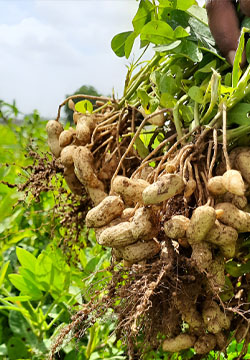
Groundnut, scientifically known as Arachis hypogaea, is a leguminous crop widely cultivated for its oil, protein, and nutritional value. It is particularly significant in tropical and subtropical regions, with major producers including China, India, and Nigeria. Groundnut farming is known for its unique geocarpic growth, where pods develop underground, and its ability to fix nitrogen through symbiotic relationships with soil bacteria, contributing to soil fertility.
Groundnut farming, known for its nitrogen-fixing properties, fits well within these practices, potentially improving soil fertility and sustainability. While direct articles linking both are scarce, general resources on regenerative organic agriculture and specific studies on groundnut soil health provide valuable insights.
Groundnut farming, known for its nitrogen-fixing properties, fits well within these practices, potentially improving soil fertility and sustainability. While direct articles linking both are scarce, general resources on regenerative organic agriculture and specific studies on groundnut soil health provide valuable insights.
Intersection with Regenerative Practices
The connection between regenerative organic agriculture and groundnut farming lies in groundnut’s natural attributes and the practices promoted by regenerative systems. Legumes, including groundnut, play a critical role in regenerative organic agriculture due to their nitrogen-fixing capabilities, which reduce the need for synthetic fertilizers and enhance soil organic matter. A study from Frontiers in Sustainable Food Systems estimated that groundnut residues could provide substantial net nitrogen input to soils, potentially improving soil health if residues are retained, aligning with regenerative goals of minimizing external inputs.
Regenerative practices such as cover cropping, crop rotation, and composting can further benefit groundnut farming. For example, adding organic materials like compost improves soil water-holding capacity, reducing fungal colonization and aflatoxin accumulation in groundnut seeds. These practices also support biodiversity, which is crucial for pest management without chemicals, a key aspect of regenerative systems.
Regenerative practices such as cover cropping, crop rotation, and composting can further benefit groundnut farming. For example, adding organic materials like compost improves soil water-holding capacity, reducing fungal colonization and aflatoxin accumulation in groundnut seeds. These practices also support biodiversity, which is crucial for pest management without chemicals, a key aspect of regenerative systems.
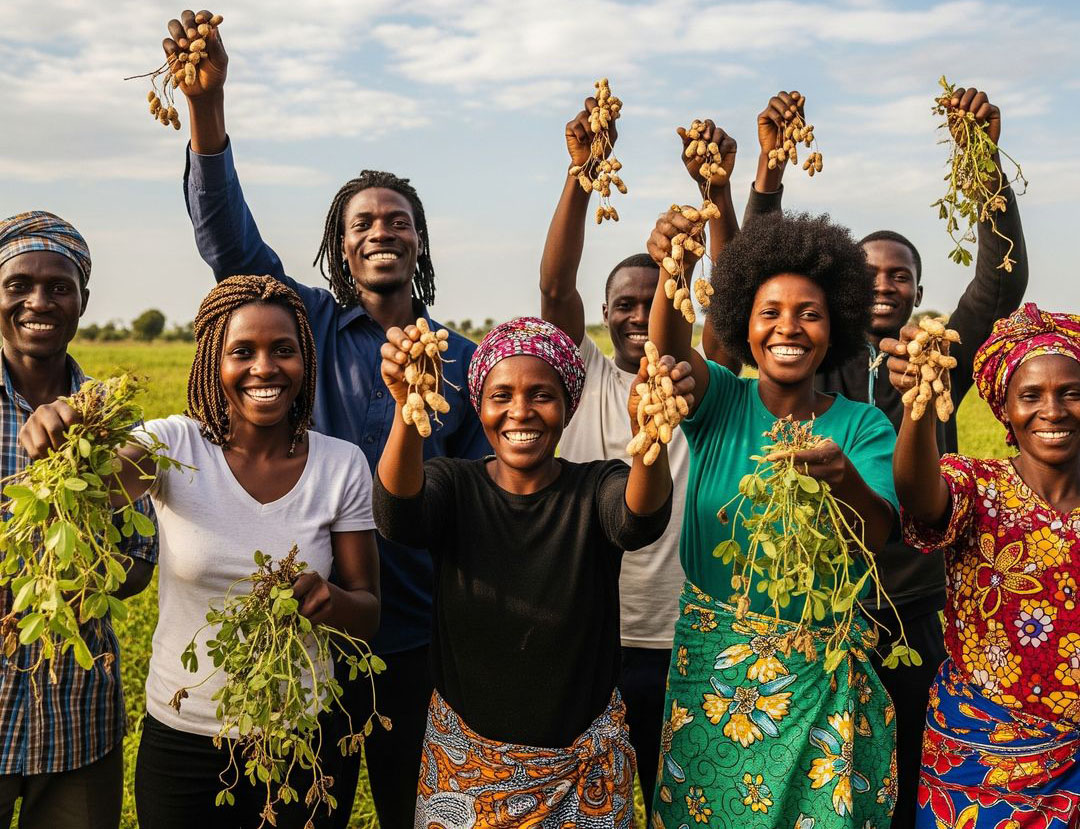
For groundnut farmers, adopting regenerative practices could involve:
- Using cover crops and crop rotations to enhance soil fertility, reducing reliance on synthetic inputs.
- Retaining groundnut residues to improve soil nitrogen
- Implementing minimal tillage to preserve soil structure, aligning with regenerative principles.
These practices lead to improved yields, better soil health, and environmental benefits, though farmers may need support through extension services or certification programs.