


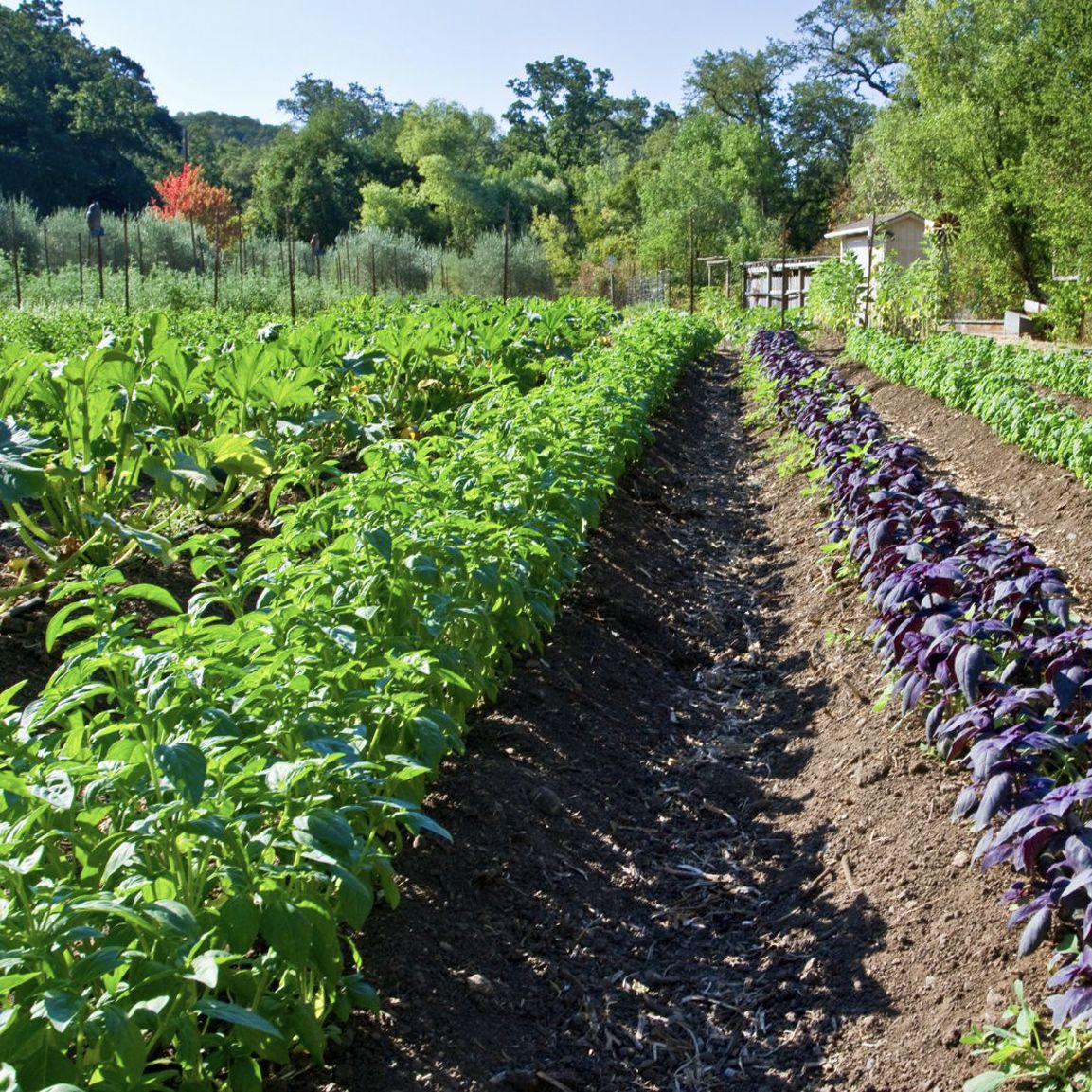
Impact of Diversity Farming on Sustainability
Diversity farming plays a key role in combating food insecurity, improving environmental sustainability, and supporting rural economies. By moving away from chemical-heavy, industrialized farming, it ensures healthier food production, long-term agricultural success, and climate-friendly practices.
Embracing diversity in farming is not just a trend—it’s a necessity. With growing concerns over climate change and soil degradation, adopting diverse agricultural methods is the key to a more resilient and productive future. Whether on a small-scale farm or a large agricultural enterprise, incorporating diversity ensures sustainability, profitability, and food security for generations to come.
Why This Matters Now More Than Ever
1. Soil That Grows Younger, Not Older
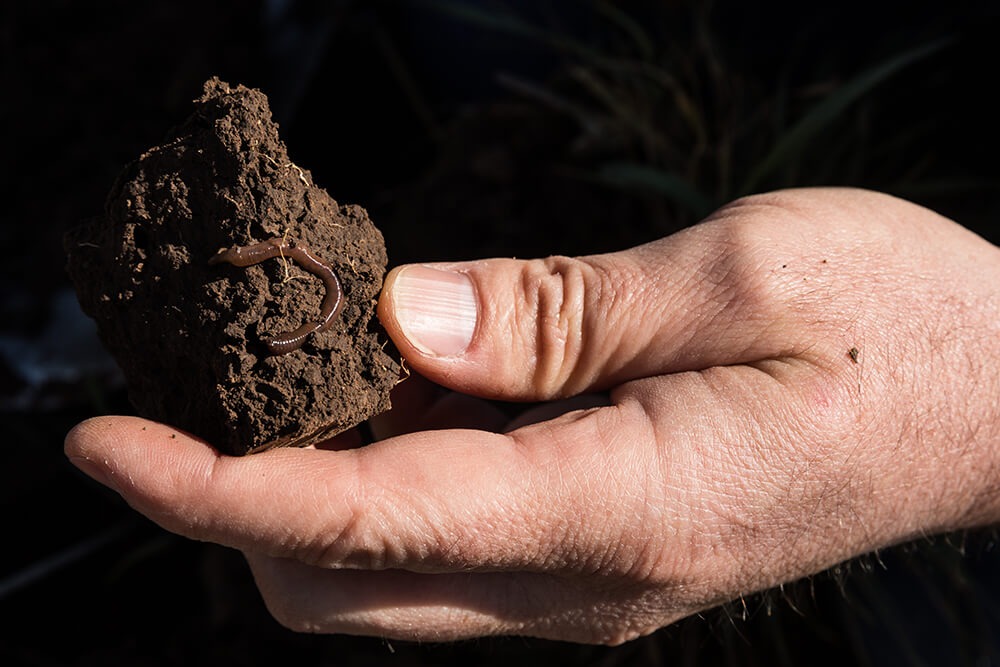
For decades, industrial agriculture has bet everything on monoculture—vast fields of a single crop propped up by synthetic fertilizers and pesticides. But nature doesn’t work that way. Walk through a forest or a wild prairie, and you’ll find hundreds of species thriving together, each playing a role.
“On our Nasarawa farm, practicing crop rotation saw a 42% increase in organic matter in just three years.”
2. Nature’s Pest Control (No Chemicals Needed)
When pests arrive in a monocrop field, it’s an all-you-can-eat buffet. But diversity farming turns the tables:
Marigolds: - repel nematodes.
Basil: - confuses Thrips.
Birds: - attracted to hedgerows devour caterpillars.
We’ve even seen spider populations boom in our chia fields—free pest patrol!
3. Climate-Proof Harvests
In 2023, when drought withered neighboring maize monocrops, our intercropped fields thrived. Why? Deep-rooted cassava reached water shallow-rooted beans couldn’t, while mulch from groundnut vines locked in moisture. Diversity isn’t just insurance; it’s adaptation in real time.
How We Practice Diversity Farming
1. Polyculture Planting
Groundnuts + millet + pumpkin:
The "Three Sisters" of West Africa, where each crop supports the others.
The "Three Sisters" of West Africa, where each crop supports the others.
Science behind it: Millet stalks become trellises for groundnut vines, while pumpkin leaves shade soil.
2. Livestock as Co-Workers
Our livestock graze cover crops in dry seasons, recycling nutrients through manure— zero waste, full cycle.
3. Agroforestry Edges
Neem and moringa trees border fields, cooling microclimates and yielding medicinal leaves.
4. Regenerative Rotations
After soil nitrogen depletion, a season of nitrogen-fixing groundnut or cowpeas resets the balance
The Ripple Effects
For Farmers: More crop varieties mean steadier incomes—when groundnut prices dip, sesame or chia fills the gap.
For Ecosystems: Our fields recorded 3x more pollinator species than conventional farms.
For Food: Nutrient-dense, chemical-free produce that actually tastes like it’s supposed to.
This Is Just the Beginning
Diversity farming isn’t about rejecting modern agriculture—it’s about evolving it. At Onefarm, we’re proving that the most productive farms are those that mimic nature’s genius.
Ready to see this in action?
Walk with us through the buzzing, blooming lanes of our 50 hectare flagship Regenerative Organic Farm at FUNAAB —where every plant, insect, and animal has a job to do.