


Onefarm Institute
Training the Next Generation of Agriticians™ for a Regenerative Future

What is Onefarm Institute?
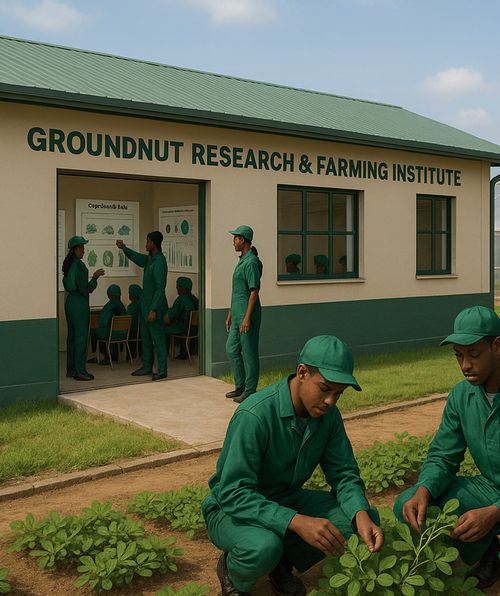
Onefarm Institute™ is a transformative initiative that equips students in agricultural universities and institutions with practical, hands-on training in regenerative agriculture systems. We prepare tomorrow’s Agriticians™—modern agriculture professionals—who are empowered to tackle today’s biggest food and environmental challenges.
Our Mission
To grow a new generation of Agriticians™ who regenerate land, secure food systems, and build a sustainable farm-to-table economy. Cultivating the Regenerative Agriculture Revolution
Why It Matters
Agriculture is at a crossroads. Across Africa and beyond, we face:
Climate Disruption & Environmental Degradation
Soil Erosion & Land Exhaustion
Inefficient Food Systems & Waste
Fragmented Supply Chains
Food Insecurity & Scarcity
Our food systems are at a breaking point. We need a generation of experts who don’t just farm—they regenerate.
Onefarm Institute trains agriculture students to become Agriticians —practitioners who merge ecological science, hands-on farming, and systemic thinking to heal land, secure food, and empower communities.
Our food systems are at a breaking point. We need a generation of experts who don’t just farm—they regenerate.
Onefarm Institute trains agriculture students to become Agriticians —practitioners who merge ecological science, hands-on farming, and systemic thinking to heal land, secure food, and empower communities.
We need more than just farmers—we need Agriticians™: “Thinkers * Growers * Innovators”
People who combine science, technology, and ecological wisdom to regenerate the Earth while feeding it.
Why It Matters
Agriculture is at a crossroads. Across Africa and beyond, we face:
Climate Disruption & Environmental Degradation
Soil Erosion & Land Exhaustion
Inefficient Food Systems & Waste
Fragmented Supply Chains
Food Insecurity & Scarcity
Our food systems are at a breaking point. We need a generation of experts who don’t just farm—they regenerate.
Onefarm Institute trains agriculture students to become Agriticians —practitioners who merge ecological science, hands-on farming, and systemic thinking to heal land, secure food, and empower communities.
We need more than just farmers—we need Agriticians™: “Thinkers * Growers * Innovators”
People who combine science, technology, and ecological wisdom to regenerate the Earth while feeding it.
Who Are Agriticians™?
Agriticians are regenerative system engineers. They don’t just grow food—they design resilient ecosystems, restore soil, close waste loops, and connect farms to tables with integrity.
Agriticians master:
Soil Regeneration (microbiome balancing, no-till, composting)
Water & Biodiversity Stewardship (rain harvesting, polycultures, agroforestry)
Climate-Positive Production (carbon sequestration, zero chemical inputs)
Farm-to-Table Logistics (processing, storage, circular distribution)
Community Resilience Design (localized food hubs, farmer-cooperatives)
They’re not just producers—they’re regenerators, creators, and stewards of the future. They are “re-calibrators of rural communities”.
Our Training Approach
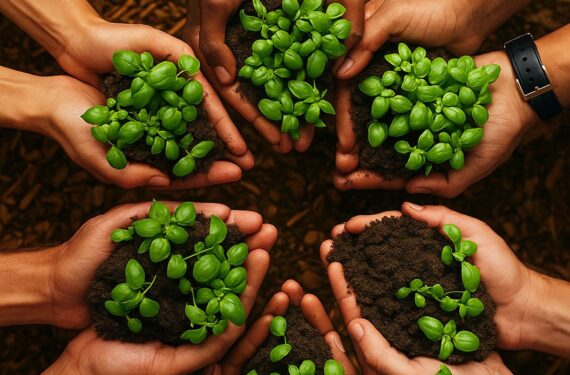
Onefarm Institute delivers field-based, experiential learning through, “Hands-On Training Model”
Theory → Field → Impact
Learn: Modular courses on regenerative principles, soil science, and food justice.
Practice: 70% field time on partner farms—planting cover crops, building compost systems, installing solar dryers.
Innovate: Student-led projects (e.g., designing urban food forests, low-waste processing units).
Connect: Mentorship from farmers, scientists, and food entrepreneurs.
Who We Work With

We collaborate with:
Universities & Other Institutions
Ministries of Agriculture & Youth Development
NGOs, Foundations, and Donor Agencies
Private Sector Agribusinesses
Rural Communities & Farmer Cooperatives
Our Goals by 2030

Train 100,000+ Agriticians™
Establish 1000+ Regenerative farms across Africa
Restore 1 million hectares of degraded land
Support 100,000+ farm-to-market enterprises
Promote climate-resilient, people-powered food systems