


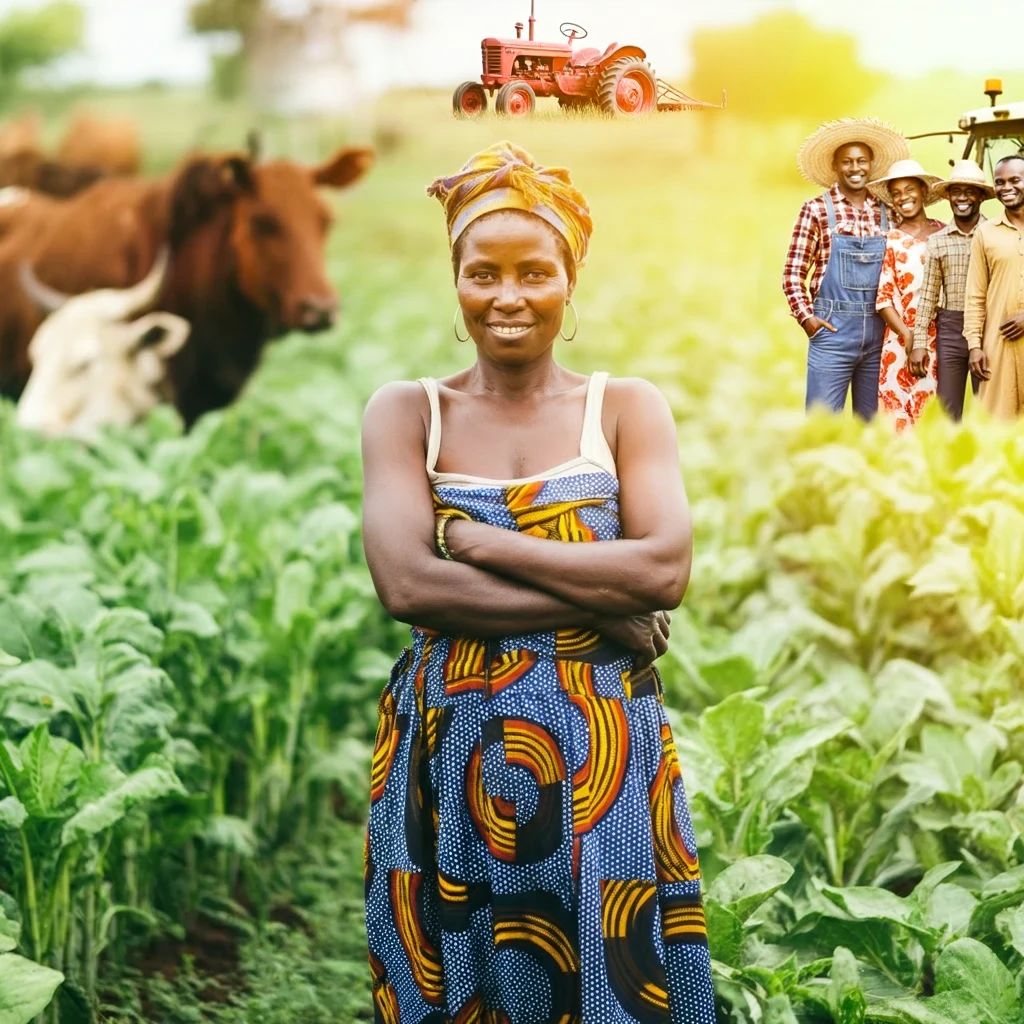
The Power of Diversity Farming:
Cultivating Resilience Through Nature’s Wisdom.
At Onefarm, we don’t just grow crops—we grow relationships:
Between plants, animals, soil, and people. Diversity farming is at the heart of everything we do, and it’s far more than a technique—it’s a philosophy. Imagine a farm where maize whispers to beans, cows prune cover crops as they graze, and soil teems with life after every rain. This isn’t just farming; it’s agroecology in action—a living, breathing system where biodiversity fuels abundance.
What Makes Diversity Farming Different?
For decades, industrial agriculture has bet everything on monoculture—vast fields of a single crop propped up by synthetic fertilizers and pesticides. But nature doesn’t work that way. Walk through a forest or a wild prairie, and you’ll find hundreds of species thriving together, each playing a role.
Diversity farming brings that wisdom back to the land.
In our fields, you’ll see groundnuts blooming between maize stalks, livestock munching on cover crops and sorghum stems swaying in the winds. These aren’t accidents; they are nature’s own recycling system. When we rotate groundnuts with cassava, sesame, and nitrogen-fixing legumes, the soil becomes richer, deeper, and more alive. No synthetic fertilizers needed—just nature’s own recycling system.
At Onefarm, we grow a vibrant mix of crops and raise complementary livestock, where goats nibble on field weeds, and their manure becomes next season’s fertility — just as nature intended. We see this as “farming in full color”, not monochrome. By diversifying crops and integrating livestock, we break the cycles of infestations that plague single-crop fields.
How We Do It: Methods That Matter
The Art of Crop Rotation
This year: groundnuts (a soil-enriching legume).
Next year: nutrient-hungry maize.
Then: restorative sesame. Each plant prepares the gift for the next.
Next year: nutrient-hungry maize.
Then: restorative sesame. Each plant prepares the gift for the next.
Intercropping – Nature’s Collaboration
Tall maize shades drought-sensitive beans. Fragrant lemongrass repels groundnut pests. Every plant has a purpose beyond its yield.
Monocrops drain soil of the same nutrients year after year. But when we rotate groundnuts with sesame, then cassava, then pigeon peas? Each plant leaves behind a gift: nitrogen, organic matter, or disease-fighting compounds. It’s like a potluck dinner for the earth—and the results are undeniable.

How We Practice Diversity Farming:
The Onefarm Way
Polyculture Planting:-
Groundnuts + millet + pumpkin: The "Three Sisters" of West Africa, where each crop supports the others. Millet stalks become trellises for groundnut vines, while pumpkin leaves shade soil.
Livestock as Co-Workers:-
Our sheep graze cover crops in dry seasons, recycling nutrients through manure—zero waste, full cycle.
Agroforestry Edges:-
Neem and moringa trees border fields, cooling microclimates and yielding medicinal leaves.
Regenerative Rotations: -
After groundnuts deplete soil nitrogen? A season of nitrogen-fixing cowpeas resets the balance.
Agroecology
More crop varieties mean steadier incomes—when groundnut prices dip, sesame or chia fills the gap. Every hectare teems with life—from soil bacteria to pollinators. Nutrient-dense, chemical-free produce that actually tastes like it’s supposed to.
Climate-Proof Harvests
When droughts come (and they will), our drought-resistant melons and deep-rooted cassava still yield food. When rains flood, our raised chia beds survive. Diversity is our insurance policy against a changing climate.
This Is Just the Beginning
Diversity farming isn’t about rejecting modern agriculture—it’s about evolving it. At Onefarm, we’re proving that the most productive farms are those that mimic nature’s genius.